

As I write this, my heart is with the Canadian people facing the devastating impact of the recent wildfires.
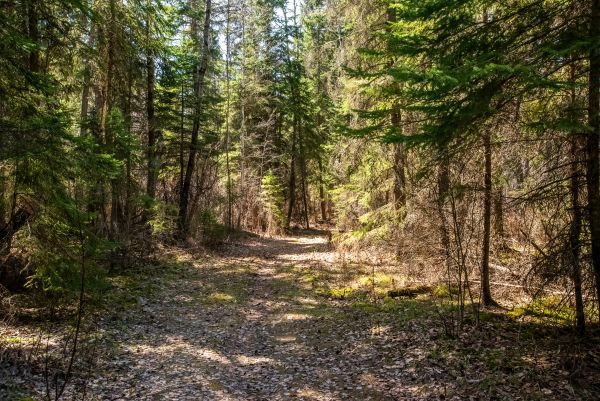
Each time that I read or hear news about wildfires, I find myself reflecting deeply on the lessons that are shaping my research for The Tree Spirits. Through this project, I’m exploring the forests, wildlife, and cultures of Manitoba, but what I’m discovering is far beyond the facts of ecology or history. Studying nature and culture teaches you about interconnection, resilience, and the delicate balance that sustains both the land and the human spirit. I’ve discovered that the boreal forest is not only a landscape of remarkable biodiversity and cultural depth—it is also a mirror that reflects the truths we often forget: that we are all part of something much larger, and that harmony with the natural world begins with humility and care.
Over 25,000 residents across Manitoba, Alberta, and Saskatchewan have been evacuated, with Manitoba alone accounting for approximately 17,000 of these evacuations. Communities like Flin Flon have been particularly hard-hit, with over 5,000 residents displaced due to advancing fires and deteriorating air quality. The smoke from these fires has not only affected local air quality but has also drifted into parts of the United States, prompting air quality alerts in several states. (AP News, The Guardian)
The fires—and the smoke they release—remind us of an undeniable truth: nature has no regard for man-made borders. The haze that now lingers in the skies over Manitoba is also drifting southward, carried by the wind into U.S. states like Minnesota and the Dakotas. There, too, residents are experiencing hazy skies, breathing in the impact of fires burning hundreds of miles away.
This interdependence is not a threat—it’s a gift. It reminds us that we share a common home and a common responsibility. The protection of the boreal forest is not only a Canadian concern, just as rising sea levels or melting glaciers are not confined to coastlines or polar regions. Addressing climate change, protecting biodiversity, and learning to live more harmoniously with nature must be collaborative, cross-border efforts. When we act with care—reforesting land, reducing emissions, protecting Indigenous knowledge—we send ripples of healing across the planet. Just as wildfire smoke can travel across nations, so can hope, stewardship, and the will to protect what sustains us all.
Fire has always been an integral part of the boreal forest’s life cycle. Naturally occurring wildfires, often sparked by lightning, play a crucial role in maintaining the health of the forest. They clear dead trees, release seeds, and create space for new growth. Species like jack pine have adapted to this cycle, with cones that only open under intense heat.
However, recent wildfires have been unprecedented in their scale and intensity. Climate change has led to higher temperatures and drier conditions, resulting in more frequent and severe fires. This year’s fires have already burned approximately 1.4 million hectares across Canada, with Manitoba experiencing some of the most significant impacts. (Wikipedia, Reuters)
A Call for Sustainable Coexistence
The current wildfire crisis underscores the urgent need for sustainable land management practices that honor both ecological balance and cultural traditions. Modern communities can learn from Indigenous knowledge systems to implement practices such as:
- Sustainable Forestry: Promoting selective logging and reforestation to maintain forest health.
- Fire-Resilient Architecture: Designing buildings with fire-resistant materials and creating defensible spaces around communities.
- Cultural Land Management: Supporting Indigenous-led fire stewardship and ecological monitoring.
- Climate Action and Education: Reducing emissions and educating communities about the importance of the boreal forest.
Honoring Indigenous Connection and Global Responsibility
Protecting the boreal forest is not only an environmental imperative—it is an act of cultural respect and global responsibility. For Indigenous communities such as the Cree, Dene, and Métis peoples of northern Manitoba, the boreal forest has always been more than a landscape. It is a living, breathing relative—a source of food, medicine, identity, and spiritual guidance. Generations have drawn upon its wisdom, practicing land stewardship rooted in balance and reciprocity. Native plants like Labrador tea and bearberry, along with tamarack trees, have long held medicinal value, used in remedies for respiratory illnesses, infections, and ceremonial healing. Tamarack’s strong wood has shaped tools, crafts, and traditions. These relationships reflect a worldview in which land, culture, and health are inseparable.
What makes the boreal forest even more extraordinary is that it is not confined to one country. The boreal zone forms a vast circumpolar band, stretching across Canada, the United States (Alaska), Norway, Sweden, Finland, Russia, and even parts of China. This global forest network, which encircles the northern hemisphere, is home to millions of people and a rich diversity of species. The entire zone must be protected—not only because of its ecological value but also because each region holds Indigenous knowledge that can guide us in living in harmony with the land. From the Sámi peoples of northern Scandinavia to Indigenous communities in Siberia and Alaska, we have so much to learn from the ways they have cared for their forests across centuries.
The boreal forest, like the Amazon rainforest, plays a vital role in stabilizing Earth’s climate. Often referred to as one of the planet’s great lungs, the Amazon recycles moisture, generates rainfall, and captures carbon at an astonishing rate. Meanwhile, the boreal forest stores more carbon per hectare than the Amazon—mostly in its soils and peatlands—making it one of the most powerful carbon sinks on Earth. Together, these ecosystems help regulate global temperatures, support weather systems, and sustain life on an interconnected planet. To lose them is to unravel the fabric of climate stability. To protect them is to preserve the very breath of the Earth.
By honoring the wisdom of Indigenous peoples and uniting across borders to safeguard these critical ecosystems, we can forge a path toward a more balanced, resilient, and compassionate future—for the land, for the climate, and for generations yet to come.

To the communities battling wildfires, know that you are not alone. We pray for your safety and restoration of your communities. Your resilience and strength inspire us all. May we all learn to honor the wisdom of the land and its people, and may we find a path forward that ensures the health and harmony of our shared home.
For more information on the current wildfire situation and how you can help, please refer to the following sources:
- The Guardian: Thousands evacuated in three Canadian provinces as wildfires continue
- Reuters: Alberta’s wildfires disrupt some 7% of Canada’s oil production
Sky News: More than 25,000 people in Canada evacuated as wildfires rage and air quality suffers
Discover more from The Gryphonowl Chronicles
Subscribe to get the latest posts sent to your email.

You must be logged in to post a comment.