

“And tomorrow when I wake
I’ll consider the wildflowers.
Simple and beautiful and cared for.
Seen and celebrated and chosen.
Full of life and color and hope.
Living proof that a seed can become a growing reminder of change.
Like us.” *
– Tanner Olson

Last week, while tending to the library garden, I stumbled upon wood sorrel growing near the hydrangea bushes. In the past, I might have considered it a weed to be pulled up immediately. But this year, I’m embracing a new perspective. I’ve begun to view “weeds” as wildflowers—learning more about their characteristics, what they reveal about the soil, and how they may benefit the local ecosystem.
This shift in my gardening approach isn’t entirely new. This will be the first year that I’m testing it in the library garden.
Maintaining a garden at a public library means navigating a delicate balance between education, aesthetics, and ecology. While finding time to water and weed between my primary library duties is a challenge, so is teaching volunteers to embrace sustainable gardening methods that may differ from what they’re used to. Misunderstandings happen—like when the American Beautyberry bush was mistakenly cut down or the Goldenrod was pulled up as a “weed.” These moments are disheartening but also part of the learning curve. I stay grounded in the mission: to create outdoor spaces that are welcoming, environmentally friendly, and rich with opportunities for reading, reflection, and hands-on STEAM programming.
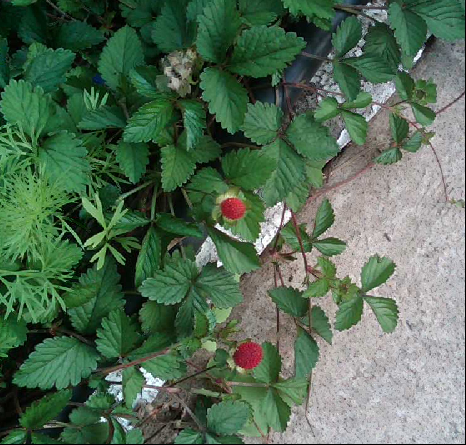
My approach—allowing native weeds and wildflowers to thrive—is rooted in experience and observation. I saw how self-seeded plants like wild strawberries and pokeweed supported pollinators and birds while coexisting beautifully with cultivated species in my home garden in Philadelphia. Now, I’m exploring the native flora of the Piedmont region and leaning into its wisdom. By allowing native wildflowers to grow in the library garden, I hope to not just cultivate beauty but create a living classroom that encourages curiosity, resilience, and deeper connections to the land. I look forward to sharing what I learn with library visitors—and with you.
Instead of fighting nature, we can partner with it by shifting how we perceive native “weeds.” We begin to see their quiet elegance and essential roles. Native wildflowers thrive because they are well suited for the environment—indicators of soil health, companions to cultivated plants, and lifelines for pollinators.
🌿 Rethinking “Weeds” as Wildflowers
Some of the best plants for your garden may already be growing underfoot. Many native “weeds” improve the soil, attract pollinators, and return each spring with no coaxing at all.

Common Wood Sorrel (Oxalis stricta)
Cheerful and heart-shaped with lemon-yellow blooms. Thrives in part shade and moist, loamy soil. Helps break up compacted ground and offers early nectar to bees. Slightly sour and edible in moderation.
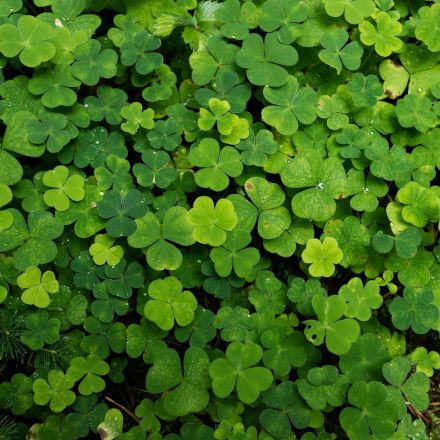
Clover (Trifolium repens)
A quiet soil-builder that fixes nitrogen, enriching the soil for neighbors. Grows in sun to part shade and tolerates poor soil. Stays green through drought and foot traffic. Attracts bees and butterflies.
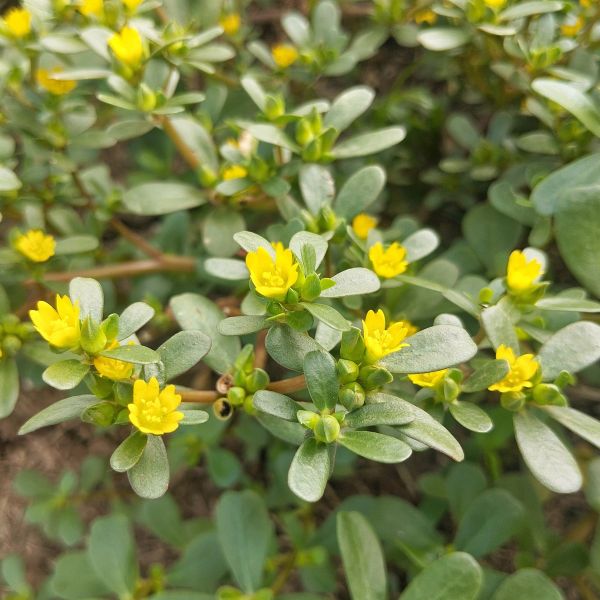
Purslane (Portulaca oleracea)
A succulent groundcover with red stems and tiny yellow flowers. Loves full sun and dry soil. Edible, rich in omega-3s and vitamin C. Suppresses weeds with dense growth and needs little water.
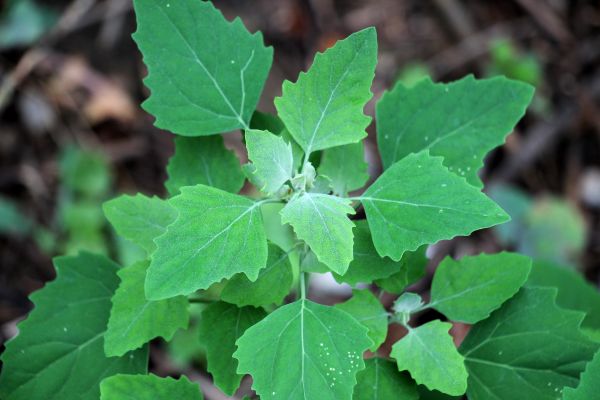
Lambsquarters (Chenopodium album)
Tall, silver-dusted, and nutrient-rich. Grows in fertile or disturbed soils. Attracts beneficial insects and helps loosen compacted earth. Steam the leaves like spinach.
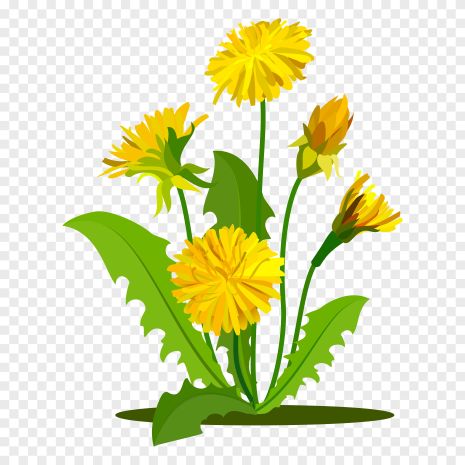
Dandelions (Taraxacum officinale)
Bright heralds of spring. Every part is edible: greens, petals, roots. They thrive in compacted soil, loosen hard ground, and support early-season pollinators.
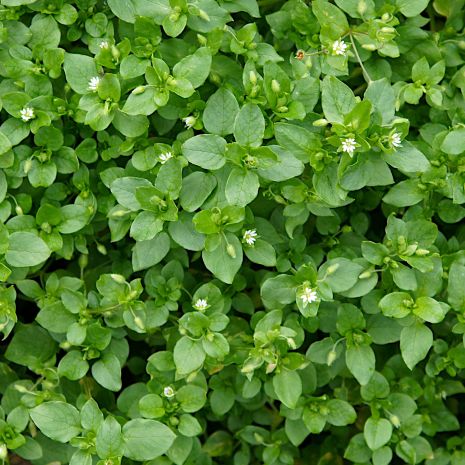
Chickweed (Stellaria media)
Soft, spreading, and starry-flowered. Prefers moist, shaded areas. A cooling edible green and bee favorite. Indicates rich, loamy soil.
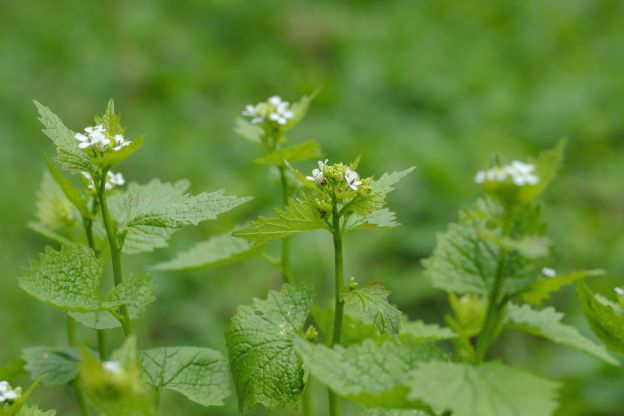
Garlic Mustard (Alliaria petiolata)
An edible but invasive biennial with garlicky leaves. Grows in shade and moist soil. While its early blooms support pollinators, it should be managed to protect native flora—harvest and eat it!
Weeds and wildflowers do more than decorate—they nourish. Clover fixes nitrogen. Dandelions loosen hardpan soil. Chickweed cools exposed ground. Purslane thrives in dry heat. In harmony with cultivated groundcovers, these plants reduce fertilizer use, crowd out invasive weeds, and support pollinators and insect predators like dragonflies.
🌱 Cultivated Groundcovers: Partners to the Wild
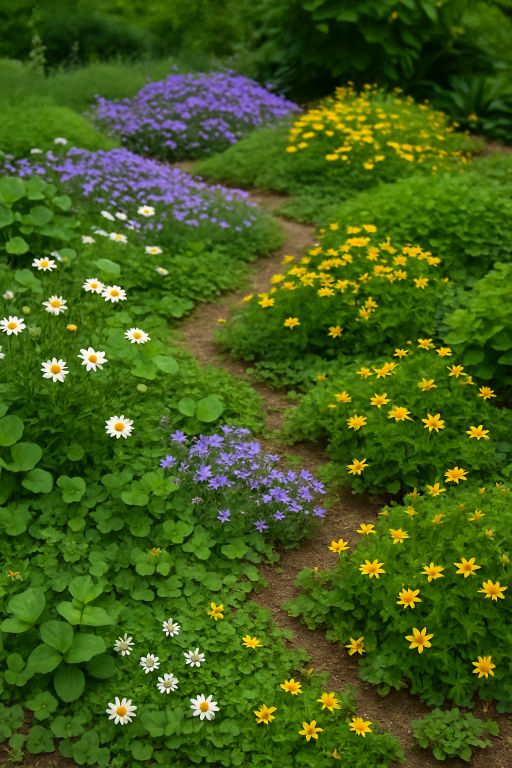
Pairing native wild plants with selected cultivated groundcovers creates a layered, easy-care garden that supports biodiversity.
Creeping Phlox (Phlox stolonifera)
A pastel spring carpet that thrives in partial shade and moist, well-drained soil. Attracts butterflies and is pet-safe. Semi-evergreen in warm climates.
Wild Ginger (Asarum canadense)
Prefers shade and moist, rich soil. Its heart-shaped leaves and hidden maroon flowers make it ideal for woodland settings. Deer resistant.
Moss Phlox (Phlox subulata)
Sun-loving and drought-tolerant, it spreads across slopes with pink, white, or lavender spring blooms. Great for pollinators and weed suppression.
Green and Gold (Chrysogonum virginianum)
Low-growing and semi-evergreen with yellow daisy-like flowers. Thrives in shade and fertile soil. Supports pollinators and brightens dark areas.
Virginia Strawberry (Fragaria virginiana)
Spreads by runners in sun or part shade. Produces sweet berries, white blooms, and nourishes bees and birds. Hardy and edible.
🐾 Pet-Friendly & Practical Choices
Creeping Thyme (Thymus serpyllum)
Aromatic, bee-friendly, and drought-tolerant. Safe for paws and releases scent when walked on. Prefers full sun and sandy soil.
Sedum (Stonecrop)
Succulent, sun-loving, and tolerant of drought, poor soil, and foot traffic. Easy to maintain and attracts butterflies.
🌼 Other Floral Companions
Border flowers can complement groundcovers and support biodiversity:
- Sweet Alyssum (Lobularia maritima): Fragrant annual, cool-weather, bee magnet.
- Eastern Blue Phlox (Phlox divaricata): Woodland native, spring-blooming.
- Yarrow (Achillea millefolium): Drought-tolerant, attracts dragonflies.
- Coreopsis (Tickseed): Long bloom season, golden flowers, pollinator favorite.
- Marigolds (Tagetes spp.): Pest deterrent, cheerful borders, full sun.
🌍 Gardening with Intention and Ease
A harmonious garden balances structure and spontaneity. Each plant contributes to a resilient ecosystem. Incorporating native wildflowers and beneficial weeds into your garden works best when supported by holistic, soil-friendly methods. Practices like no-till gardening, the Three Sisters technique, and Hugelkultur not only enrich the soil but also create ideal conditions for companion planting with native groundcovers.
🌿 No-Till Gardening
No-till gardening works by preserving the natural structure and microbial life of the soil. Instead of disturbing the earth through digging or plowing, organic matter is layered on top, allowing worms, fungi, and microorganisms to break it down naturally. This method helps retain moisture, reduce erosion, suppress weeds, and build long-term soil health—creating a stable, low-maintenance environment where plants can thrive.
🌾 Hugelkultur
Hugelkultur is a gardening method that builds raised beds using layers of decaying wood, branches, leaves, compost, and soil. As the wood decomposes, it acts like a sponge—retaining moisture, enriching the soil with nutrients, and creating a warm, fertile environment for plant roots. This technique mimics natural forest ecosystems and supports long-term, low-maintenance growing conditions, especially in dry or poor soils.
🌽 The Three Sisters The Three Sisters planting method is a traditional Indigenous agricultural technique that pairs corn, beans, and squash in a supportive, symbiotic relationship. The corn grows tall and provides a natural pole for the beans to climb, the beans enrich the soil with nitrogen, and the broad leaves of the squash spread out to shade the ground, helping to retain moisture and suppress weeds. Together, they create a resilient, self-sustaining mini-ecosystem.
🛠 Start with Planning
Every good garden begins not with a shovel, but with a question:
What do I want to create?
Ask yourself:
- What’s my USDA gardening zone? (Zones 6–8 for Piedmont & Mid-Atlantic)
- What’s my soil like—clay, sandy loam, rich in organic matter?
- How much time and energy do I want to invest?
- Do I value neatness, or a more natural, nurturing look?
🌱 Tip: Contact your county extension office for soil testing and regional planting tips. And don’t overlook your public library—it’s a treasure trove of gardening knowledge and inspiration.
🧩 Not for Everyone—But Worth Considering
If you love a classic turf lawn, that’s okay! But consider reducing chemical use. Mow high, spot-treat weeds, and add patches of native groundcover where grass struggles. Every small shift helps create a healthier planet.
🌾 Try No Mow May: Let It Grow
This UK-born movement encourages delaying mowing to allow wildflowers to feed pollinators. In Zones 6–8, consider starting in March or April. Letting grass go to seed once a year deepens roots, improves biodiversity, and reduces long-term care.
Gardening, I’ve learned, is as much about observation as it is about planning. The garden teaches us what’s working and what it needs. This season, wood sorrel is welcome to stay—and I look forward to seeing it bloom. I can’t wait to share what I learn with you. 😊
📚 Sources & Further Reading
- NC State Plant Database
- National Gardening Association
- Piedmont Master Gardeners – Native Groundcovers
- NC Native Plant Society Groundcover Guide (PDF)
* Olson, T. (2022). Consider the Wildflowers. In Continue: Poems & prayers of hope. Concordia Publishing House.
Discover more from The Gryphonowl Chronicles
Subscribe to get the latest posts sent to your email.

You must be logged in to post a comment.