

It’s easy to feel powerless in the face of climate change and global environmental issues. The problems seem too big—melting ice caps, vanishing species, toxic air, polluted oceans. What can one person, or even a small group, possibly do? However the truth is, most large-scale environmental victories began with ordinary people who refused to look away.
The first step to solving a problem is admitting it exists. The next is believing you can do something about it. The final step is action. On this Earth Day, let’s explore how awareness, belief, and action have changed the course of environmental history—and how they can shape our shared future
🌿 When People Take Action, the Earth Heals
Love Canal Cleanup: In the 1970s, families living near Love Canal in Niagara Falls, NY, noticed an alarming number of birth defects and illnesses. The cause? Toxic waste buried beneath their homes. One determined mother, Lois Gibbs, helped turn a neighborhood into an environmental movement. Her advocacy led to the evacuation of families, massive cleanup efforts, and the creation of the Superfund program.
The Ozone Layer Recovery: In the 1980s, scientists discovered a hole in the ozone layer caused by fluorocarbons in aerosol sprays and refrigerators. Governments listened. The Montreal Protocol, signed in 1987, banned the worst offenders. Since then, the ozone layer has begun to heal—a shining example of what’s possible when the world acts together.
Fukushima and Sunflowers: After the 2011 Fukushima nuclear disaster in Japan, radiation contaminated soil and water. One surprising remedy? Sunflowers. These vibrant plants are “phytoremediators”—they absorb toxins and radiation from the ground. People across Japan planted them not only for healing, but as a symbol of hope.
Clearing the Skies of LA and Pittsburgh: In the mid-20th century, smog blanketed cities like Los Angeles and Pittsburgh, choking residents and obscuring the sky. Public pressure led to the Clean Air Act and major policy reforms. Cars became cleaner, industries were regulated, and today, many of those skies are blue once again.

🍃 What About Your Environment?
Take a moment. Reflect on the air you breathe, the water you drink, the food on your table.
- Are you living in an urban heat island or are there parks and green spaces?
- Does your neighborhood have a problem with mosquitos or unwelcome rodents?
- Does your community have clean drinking water and adequate sewage?
- Does your community have clean air or are there high incidents of asthma and respiratory illnesses?
Every place has its own environmental story. You don’t need to be a scientist or policymaker to be part of the solution.
📚 Learn. Connect. Vote. Change.
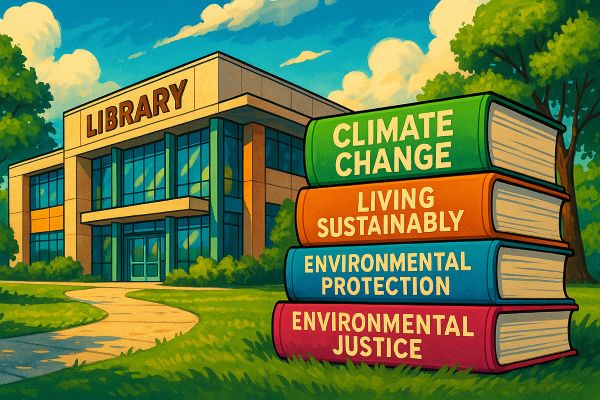
Your local public library is a gateway to change. Explore books, documentaries, and online resources about climate science, conservation, and environmental health. Many libraries host lectures and community events.
Partner with local non-profits focused on clean water, tree planting, pollution reduction, or sustainable gardening.
And don’t forget the ballot box. Vote for leaders who understand the urgency of environmental protection. Laws matter. Voices matter. Your voice matters.
✅ 10 Simple Steps You Can Take Today
- Learn about the trees around you – If you can’t plant one, support one. Water it, report damage, and learn which birds or animals depend on it.
- Monitor shared spaces – If your residential dumpster is always overflowing, speak up. Organize with neighbors. Request better waste services.
- Use fewer chemicals – Reduce the use of pesticides and herbicides that harm pollinators and wildlife. Choose natural alternatives when possible.
- Garden for life – Add native plants, pollinator flowers, or even a container garden on a windowsill.
- Invite wildlife – Install bird feeders, bat boxes, or nesting boxes for owls and hawks. Help children appreciate biodiversity.
- Start a green book club – Read about environmental issues with friends or family. Choose books that inspire reflection and action.
- Walk or bike more – Reduce short car trips. Enjoy nature, save fuel, and reduce emissions.
- Cut back on single-use plastics – Say no to plastic bags, straws, and bottled water when reusable options exist.
- Conserve water and electricity – Fix leaks, turn off lights, and insulate your home. These small acts save resources and money.
- Volunteer for cleanups – Join or organize a litter cleanup, tree planting day, or park beautification project.
🌎 This Earth Day, start with where you are.
You don’t have to change the whole world overnight—but you can change something: a neighborhood, a classroom, a single tree, a child’s understanding.
Happy Earth Day
Discover more from The Gryphonowl Chronicles
Subscribe to get the latest posts sent to your email.

Insightful. Thanks for sharing 😊
LikeLike