

Gardening for Mental, Emotional and Social Growth
Spring is the perfect season to turn your little corner of the world—whether it’s a backyard, balcony, or window box—into a place of wonder. No matter your age or background, gardening offers something meaningful for everyone. It’s a joyful learning experience for children, an act of self-care for adults, a way to connect with nature, and a powerful force for building stronger, greener communities. Whether you’re five or ninety-five, planting a garden invites growth in more ways than one.
In times of uncertainty, people have long turned to the earth for comfort, purpose, and nourishment. During World War II, Victory Gardens sprang up in backyards and public parks across the country, giving families a sense of agency and resilience while feeding communities. More recently, during the COVID-19 pandemic, many discovered the grounding power of gardening—whether by planting herbs on a windowsill or transforming a patch of lawn into a vegetable bed. Gardening isn’t just about growing food; it nurtures mental clarity, emotional well-being, and physical health. In challenging times, tending a garden can offer a quiet kind of hope.
Growing your own food is also a practical and empowering choice, especially for those on a budget. A few pots of tomatoes, leafy greens, or peppers can stretch your grocery dollars and put healthier, fresher meals on the table. In communities with limited access to affordable produce—known as food deserts—gardening can transform overlooked spaces into places of abundance and self-reliance. Growing culinary herbs at home can also spark creativity in the kitchen, encouraging new recipes and flavorful meals.
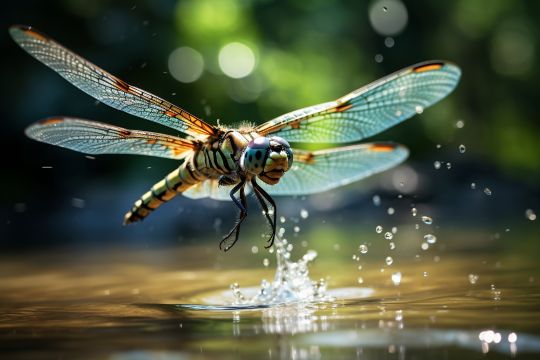
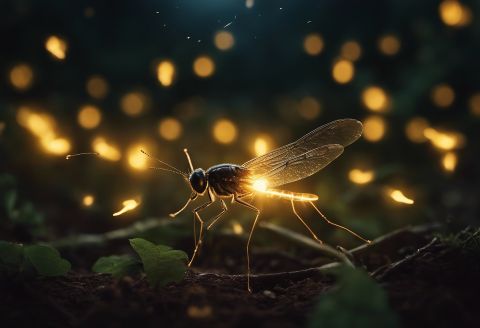
There’s something magical about the way children respond to nature—their eyes light up at the sight of a butterfly fluttering by, a hummingbird darting through the air, or a dragonfly gliding like a tiny acrobat. Fireflies, blinking gently on summer nights, can feel like real-life fairies and may well have inspired characters like Tinkerbell. Beatrix Potter, the beloved author of Peter Rabbit, found creative inspiration in her own garden. She sketched her plants and animals with meticulous detail, using them as models for the enchanting worlds she painted. Her garden wasn’t just a backdrop—it was her muse, a living studio of nature, story, and imagination.
For children today, gardening remains one of the most engaging hands-on learning tools. As they dig in the soil, plant seeds, and watch life unfold, they explore biology, math, weather patterns, and ecosystems. It’s STEM learning at its most joyful and intuitive. For adults, gardening offers a chance to slow down, reflect, and create something lasting. It’s also a meaningful way to connect with others—whether it’s by joining a local gardening club, volunteering in a community garden, or simply sharing a basket of homegrown squash with a neighbor.
And the benefits don’t stop there. When communities embrace gardening on a larger scale, the environmental impact is remarkable. Gardens reduce stormwater runoff, cool neighborhoods by replacing heat-absorbing concrete, and offer vital habitat to pollinators and other beneficial creatures. Dragonflies help control mosquito populations, while plants like lavender, mint, and marigolds can naturally deter rodents and other pests. Incorporating native pollinator plants into vegetable gardens improves yields and supports biodiversity—a win for both people and the planet.
You don’t need a sprawling yard or expensive tools to get started. All it takes is a little soil, sunlight, and the willingness to try. Native flowers, herbs, and companion plants can bring beauty and resilience to even the smallest of spaces. Not sure where to begin? Reach out to your local Extension Master Gardener program for guidance, or stop by your public library—they’re full of books that will help you imagine, plan, and grow something truly special.
This year, let your garden be more than a project—let it be a practice in self-care, a source of connection, and a path back to the quiet wonder of the natural world. 🌱✨
Here are a few books to read on your journey.
- All Around Us
Author: Xelena González (2017)
A beautifully illustrated children’s book that follows a young girl and her grandfather as they explore circles in nature and life. Rooted in Indigenous and Mexican-American traditions, this story invites young readers to see the sacredness in everyday natural rhythms. - Black Flora: Inspiring Profiles of Floriculture’s New Vanguard
Author: Teresa J. Speight (2022)
This vibrant book features profiles of contemporary Black florists and flower farmers across the U.S., showcasing their creativity, resilience, and passion for floriculture. It offers inspiration and representation for aspiring gardeners and designers. - Braiding Sweetgrass: Indigenous Wisdom, Scientific Knowledge, and the Teachings of Plants
Author: Robin Wall Kimmerer (2013)
A Potawatomi botanist weaves together Indigenous knowledge and Western science to reveal how plants teach us about relationship, reciprocity, and respect. This modern classic is a deeply poetic and insightful call to restore harmony with the earth. - Catfish and Mandala: A Two-Wheeled Voyage Through the Landscape and Memory of Vietnam
Author: Andrew X. Pham (1999)
In this travel memoir, Pham bikes across Vietnam to rediscover his homeland and identity. His journey offers a profound reflection on the natural landscape, memory, and healing after war and migration. - Climate Change from the Streets: How Conflict and Collaboration Strengthen the Environmental Justice Movement
Author: Michael Méndez (2020)
Méndez explores how frontline communities of color—especially Latinx populations—have played crucial roles in shaping climate policy and environmental justice. A compelling blend of research and storytelling that amplifies grassroots voices. - Fatima’s Great Outdoors
Author: Ambreen Tariq (2021)
A joyful children’s story about a Muslim Indian-American family’s first camping trip. It explores themes of belonging, family bonding, and the healing power of nature in an immigrant experience. - Latinx Environmentalisms: Place, Justice, and the Decolonial
Editors: Sarah D. Wald, David J. Vázquez, Priscilla Solis Ybarra (2019)
This academic collection challenges dominant environmental narratives through Latinx perspectives, focusing on environmental justice, decolonial practices, and cultural place-making. - Latitudes of Longing
Author: Shubhangi Swarup (2018)
A lyrical novel that explores the lives of characters across the Indian subcontinent, all connected by landscapes shaped by climate, geology, and spiritual presence. The book blurs the lines between the physical and mystical worlds. - Nature Unfurled: Asian American Environmental Histories
Editors: Connie Y. Chiang and Judy Tzu-Chun Wu (2023)
A groundbreaking anthology that uncovers the environmental experiences of Asian Americans across U.S. history. It includes topics from agricultural labor to environmental activism, showing how these communities have shaped and been shaped by nature. - Soil: The Story of a Black Mother’s Garden
Author: Camille T. Dungy (2023)
A deeply personal narrative that explores how gardening helped the author reclaim joy, identity, and a sense of rootedness in a predominantly white neighborhood. Dungy reflects on race, climate, and the act of cultivating life as resistance and renewal.
Discover more from The Gryphonowl Chronicles
Subscribe to get the latest posts sent to your email.

You must be logged in to post a comment.